Taste the Rainbow, Naturally
Travel the world through your plate as we explore global culinary traditions to craft naturally colorful menus. From saffron yellows to hibiscus reds and pandan greens, you’ll learn ingredients, techniques, and stories that celebrate color without artificial dyes, inviting creativity, nutrition, and delight at every course.
The Science Behind Vibrant Plates
Reds That Sing
Reach for beetroot, pomegranate, tomato, aji amarillo’s cousin annatto, and Korean gochujang for nuanced ruby tones. Roast beets gently, stir in a splash of vinegar to stabilize anthocyanins, and finish with olive oil for shine, depth, and long-lasting, eye-catching warmth.
Greens That Glow
Protect chlorophyll by blanching vegetables briefly in well-salted, rapidly boiling water, then shocking in ice. Sauté with garlic at the very end, avoid prolonged lids, and brighten with citrus, herbs, or grassy oils to keep color luminous, flavor fresh, and texture crisp.
Blues and Purples With Personality
Lean on butterfly pea flower, purple shiso, blueberries, black rice, and Okinawan sweet potato. Remember that anthocyanins shift with pH: add acid for pink, keep neutral for blue. Present alongside creamy whites or bright greens for contrast that amplifies beauty and appetite.
Globetrotting Plates That Paint the Table
Mediterranean Mosaic
Compose plates with saffron rice, roasted peppers, sumac-bright salads, and emerald herb sauces like chermoula. Add roasted eggplant’s smoky purple and feta’s snowy white. Serve with citrus-dressed greens and pomegranate arils, weaving sunlit memories, seaside breezes, and market chatter onto the table.
Southeast Asian Spectrum
Celebrate pandan’s forest green, turmeric’s golden cheer, and chili’s fiery scarlet. Think nasi ulam brimming with herbs, laksa glowing from roots, and riotous tropical fruit. Balance heat with coconut’s coolness and lime’s sparkle, creating plates that dance between comfort and thrill.
Latin American Brilliance
Highlight ceviche’s pearly whites against cilantro greens, aji amarillo’s sunshine, and beet-stained tortillas. Finish with hibiscus aguas frescas, passionfruit curd, and charred corn. Layer salsas for hue and crunch, letting spice, acid, and smoke sketch joyous, memory-making colors across the palate.
Seasonal Markets, Endlessly Colorful
Spring’s First Brushstrokes
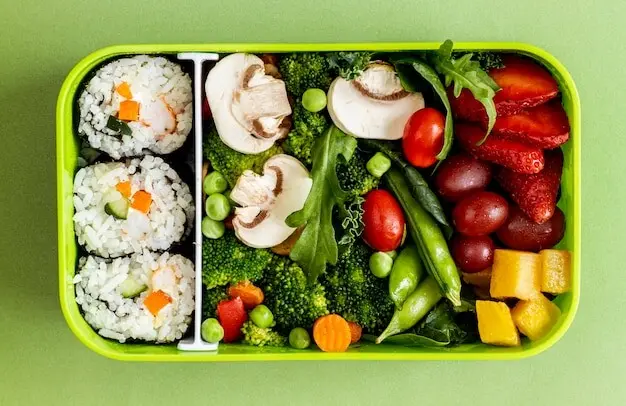
Seek pea shoots, asparagus tips, radishes, baby carrots, and edible blossoms like nasturtium. Quick cooking and cool dressings preserve snap and pastel vibrancy. Pair with lemon, yogurt, and tender herbs to echo gardens waking, birdsong rising, and light returning after long nights.
Summer Saturation
Lean into tomatoes bleeding rubies, corn sparkling gold, cucumbers glassy green, and berries ink-dark. Char, chill, and marinate to stack contrasts. Serve chilled soups, smoky salads, and fruit-with-herb desserts that taste like long evenings, warm sidewalks, and friends laughing under swaying trees.
Autumn and Winter Jewels
Coax sweetness and deep tones from squash, beets, purple cabbage, kabocha, and citrus. Roast patiently, glaze lightly, and brighten with preserved lemon, yogurt, or pickled mustard seeds. Build nourishing stews and grain bowls that glimmer against gray days and wind-brushed windows.
Techniques That Keep Colors True
Method matters as much as shopping. Manage heat, oxygen, and time to protect delicate pigments, encourage Maillard browning where contrast helps, and rescue dishes with a squeeze of acid or drizzle of oil that refracts light and feels luscious on the tongue.

Heat With Intention
Steam, blanch, and quick-sauté to preserve brightness; oven-roast for concentrated golds and russets. Keep pots wide to reduce crowding, stir gently, and time salting wisely. Taste repeatedly, noticing when colors plateau, then finish confidently before dullness creeps across the surface.
Acidity, Fat, and Salt as Lightworkers
Lemon, vinegar, yogurt, and tamarind sharpen edges and lift purples toward lively magenta. Oils add gloss and carry aromas; salt clarifies perception. Apply with balance so brilliance reads intentional, not garish, keeping appetite anchored to flavor, memory, and cultural respect.
Eating the Rainbow, Thoughtfully
Map colors to nutrients without turning dinner into homework. Offer orange squash with seeds for vitamin E, brassicas for sulforaphane, berries for polyphenols. Balance fiber, protein, and satisfying fats so the plate pleases eyes first, then nourishes every lingering, appreciative bite.
Crediting Lineage and Labor
When you cook across borders, cite cookbooks, mentors, and communities. Buy from producers who grow heritage varieties safeguarding color and flavor. Mention regions on menus respectfully, spell dishes correctly, and acknowledge adaptations, letting curiosity deepen connection instead of flattening nuance into trends.
Allergies, Access, and Joy
Paint boldly while considering different bodies and budgets. Offer nut-free pestos, plant-based richness, and gluten-free textures that still shimmer with color. Suggest substitutions by season and region, ensuring beauty on the plate never excludes neighbors who wish to share the meal.
Designing a Cohesive Menu
Build courses like movements in music, modulating intensity and hue. Begin with crisp acids and sparkling greens, progress to warm golds and deep umami, then finish with dusky purples and bright citrus. Balance cooking methods and temperatures to keep energy buoyant, surprising, and satisfying.
Color Wheel Course Map
Sketch the arc from appetizer to dessert using contrast and repetition. If the starter shines ruby with pomegranate and mint, let the main lean green with herbs, then close with midnight berries. Recurring accents tie everything gently together without overwhelming guests' senses.
Prep Flow for Radiant Results
Batch-roast, chill, and marinate in advance; slice fresh herbs only when plating. Store components separately to avoid color bleed. Keep a quick-pickle station ready for last-minute sparkle, ensuring pace stays calm while plates feel alive, intentional, and generously seasonal.
Cook, Share, and Celebrate Together
Join a friendly challenge to build a naturally colorful menu using ingredients from your nearest markets and traditions you admire. Share photos, notes, and mishaps. Subscribe for monthly color guides and ingredient spotlights, and leave questions so we can learn, troubleshoot, and feast together.
Snap the Spectrum
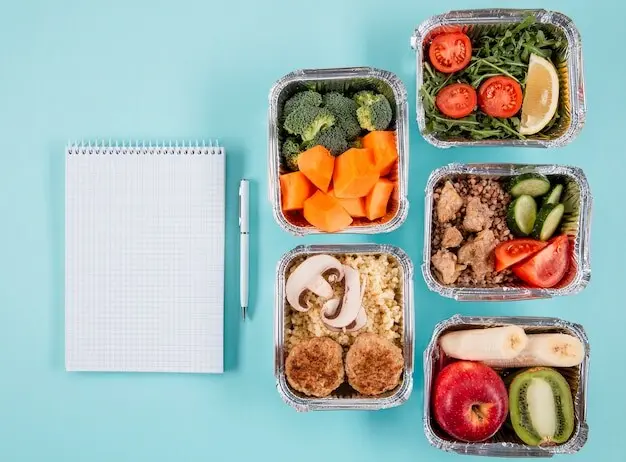
Photograph each course in daylight, noting which angles flatter greens or purples. Add a short caption crediting ingredients and cultural inspirations. Post with a consistent hashtag so our community can cheer, ask for recipes, and build a living gallery of practical brilliance.
Swap and Substitute
If butterfly pea is unavailable, try red cabbage tea for blues, spinach for green pancakes, or carrot tops for chimichurri. Share regional alternatives that honor local seasons, proving resourcefulness and respect can deliver astonishing color without chasing rare, expensive pantry trophies.
All Rights Reserved.