Why Colors Guide Better Choices

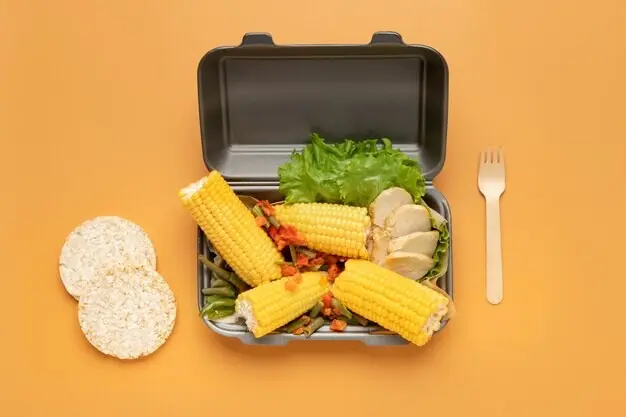
Colors are shortcuts to nutrient diversity. Reds often bring lycopene for heart health, oranges carry beta-carotene that converts to vitamin A, dark greens offer folate and lutein, blues and purples deliver anthocyanins, and whites hide allicin. Using colors simplifies planning, curbs overwhelm, and increases satisfaction without counting every micronutrient.

The Science Behind the Rainbow

Behind those hues are plant compounds shaped by sunlight and stress. Anthocyanins act like shields, carotenoids capture light, and sulfur compounds deter pests. When we eat them, those same traits often translate into antioxidant capacity, vision support, and immune resilience. Color is nature’s nutrition label you can spot instantly.

Cravings, Cues, and Easy Visual Wins

Visual cues beat willpower in a hectic store. A simple color target for the day—say, add two greens and one purple—reduces decision fatigue. You satisfy cravings by matching crunch, sweetness, or warmth within your color plan, turning tricky moments into clear, doable wins you actually enjoy celebrating.

A Quick Tour of Color Families

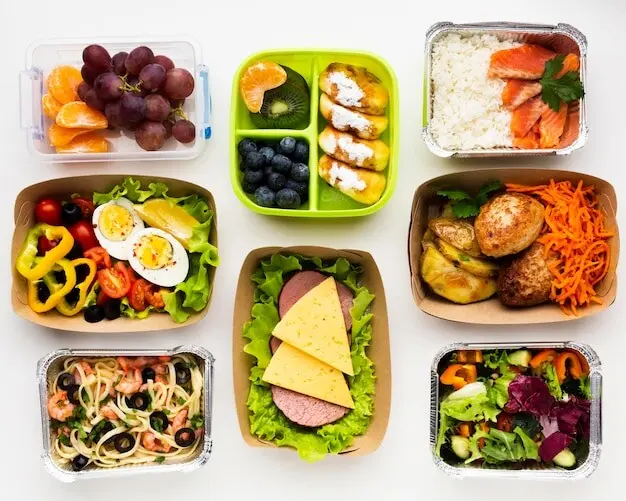
A quick scan uncovers gaps. If breakfasts skew beige, add ruby grapefruit or blueberries. If dinners rely on pasta and cheese, rotate roasted carrots, broccoli, and red peppers. Consistent variety means steadier energy, diverse fiber for your microbiome, and fewer supplement worries because your plate carries the workload.

Setting Up Your Color Key at Home

Bring the system to life where choices start: your kitchen. Visible color tags on bins and shelves turn the fridge into a friendly guide, not a mystery cave. Clear containers showcase produce, and a simple legend near the door prompts quick picks, effortless prep, and consistent, colorful snacking.

Label the Pantry and Fridge

Use removable dots or washi tape in distinct hues on drawers, crispers, and pantry canisters. Match green dots to leafy items, orange to root vegetables, purple to berries or cabbage. Kids learn fast, guests help easily, and waste shrinks because everyone knows where to find and return ingredients.
Build a Reusable Color Card

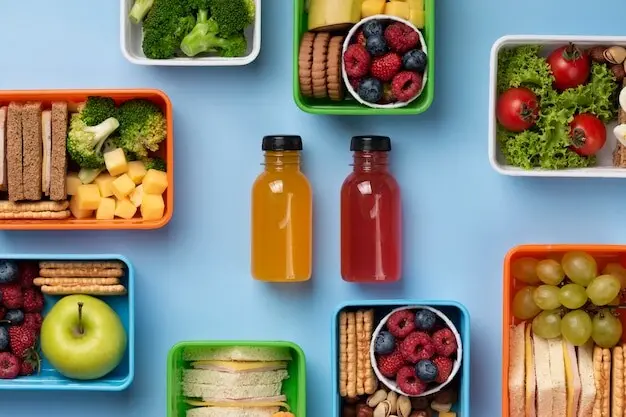
Create a laminated card listing colors, example foods, and benefits, then clip it to your grocery tote. When choices feel fuzzy, glance once and decide. Add seasonal notes, favorite swaps, and allergy flags, keeping confidence high while navigating sales, new products, and crowded produce stands without stress.
Teach the Household the System

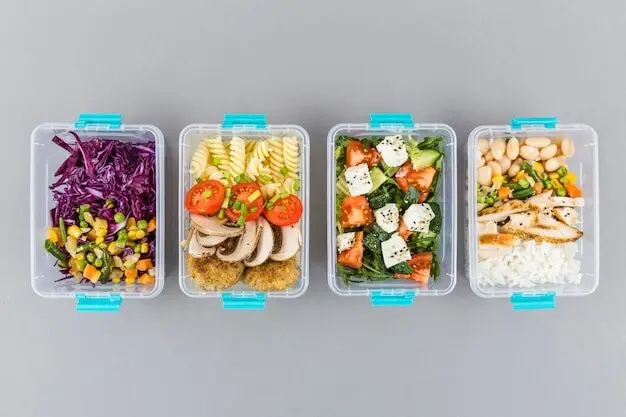
Hold a five-minute tour after shopping. Explain why blueberries join breakfasts, carrots support eyes, and greens power lunches. Invite ideas for colorful snacks people actually want. When everyone participates, the fridge becomes intentional rather than aspirational, and healthy defaults magically appear during tired, hungry moments.
Grocery Planning with Color Balance

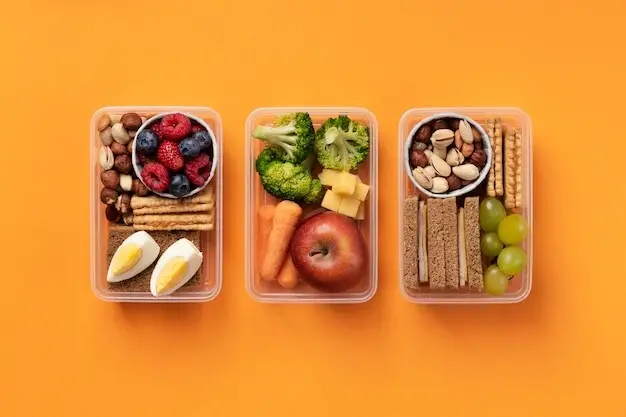
Plan with colors first, recipes second. Sketch the week by assigning hues to meals, then plug in dishes that fit. This order protects balance, prevents repetitive ruts, and tames midweek stress. It also frees space for cravings, leftovers, and social plans without abandoning nutritional variety or overspending.

Rainbow-Focused Meal Mapping

Start by giving each day a star color and two supporting shades. Monday might be green with orange and white, leading to pesto chicken, roasted carrots, and garlic yogurt. Swap proteins freely while keeping color intent intact, so flexibility thrives and the micronutrient mix still lands beautifully.

List Design that Nudges Variety

Write your shopping list in color sections rather than store aisles. Under purple, include blueberries, plums, or purple potatoes; under red, tomatoes, peppers, or strawberries. This format spotlights gaps before checkout, encouraging smart substitutions and avoiding last-minute beige defaults when energy dips and convenience whispers.

In-Store Tactics for a Vibrant Cart

The store can feel chaotic, but a color plan acts like calm music in the background. You move with intention, start in produce, compare labels through a nutrient lens, and leave with variety you can use. Small rituals stack up to fewer returns, less waste, and tastier weeks.

Cooking Methods that Protect Color Power

Raw, Steamed, Roasted: When to Use Each

Leafy greens often shine raw or lightly steamed to preserve folate and crispness. Carrots and tomatoes unlock more carotenoids and lycopene with heat and a drizzle of oil. Roasting deepens sweetness, steaming protects texture, and chilling leftovers can even boost resistant starch in some starchier choices.

Smart Pairings for Absorption

Many pigments pair best with a little fat or acid. Avocado or olive oil helps absorb carotenoids; citrus brightens greens and supports iron uptake when paired with beans. These tiny tweaks turn pretty colors into real nourishment, without complex rules or endless measuring at dinnertime.

Leftover Strategy for Next-Day Balance

Cook extra colorful sides on purpose. If today was heavy on red and orange, pack greens and purples for tomorrow’s lunches: spinach pesto, roasted beets, or grape clusters. Leftovers become a playful puzzle, closing gaps effortlessly and saving money while keeping the week deliciously vibrant and satisfying.

Tracking Progress and Staying Motivated

Progress thrives when it’s visible and kind. Track colors, not perfection. Snap quick plate photos, mark a calendar with daily hues, and celebrate streaks. Invite friends to compare carts, swap recipes, and share bargains. Encouragement beats guilt, and curiosity fuels habits that travel with you through busy seasons.
Pentolorozeraveltoluma
Privacy Overview

This website uses cookies so that we can provide you with the best user experience possible. Cookie information is stored in your browser and performs functions such as recognising you when you return to our website and helping our team to understand which sections of the website you find most interesting and useful.