The Science Behind Colorful Plates

Colors signal families of phytochemicals and vitamins your body needs daily. Reds often deliver lycopene and vitamin C, oranges and yellows offer beta-carotene, lutein, and zeaxanthin, leafy greens bring folate, vitamin K, and magnesium, while purples contain anthocyanins. Organizing meals by hue ensures balanced exposure across the week, aligns batch cooking with nutrient diversity, and keeps shopping lists focused. I once eased a midday slump by rotating three hues per meal for one week, and the difference felt immediate.

Blueprints for a Hue-Driven Prep Week

Turn planning into an elegant template, not a chore. Build a weekly grid where each meal hits at least three distinct colors, then rotate spotlight hues across days to prevent repetition. Use a simple assembly rule – half the container produce, one quarter protein, one quarter whole grains – with a tiny corner for sauces or seeds. Repeat base components in new pairings so variety feels effortless. The result is fewer decisions, faster mornings, and a confident march toward consistent micronutrient coverage.

The 3-2-1 Color Formula

Choose three colors per meal box, two protein options for the entire week, and one wildcard hue you are excited to explore. This guardrail keeps variety high and groceries realistic. Monday might mix red, green, and beige, while Wednesday pivots to orange, purple, and green. If you miss a hue at lunch, redeem it at snack time with a simple produce pack. Track checkmarks instead of calories, and watch consistency climb steadily.

Batch-Cook Matrix

Roast two rainbow pans – reds and oranges on one, greens and purples on the other – while simmering a neutral grain and a pot of legumes. Blend one sauce per hue: basil pesto, romesco, minted yogurt, or blueberry balsamic. Label everything with the color, date, and intended pairing. These matrix pieces snap together into bowls, wraps, or soups in minutes, maintaining variety without daily cooking chaos, wasteful leftovers, or forgotten produce in the crisper.

Container Coding and Portioning

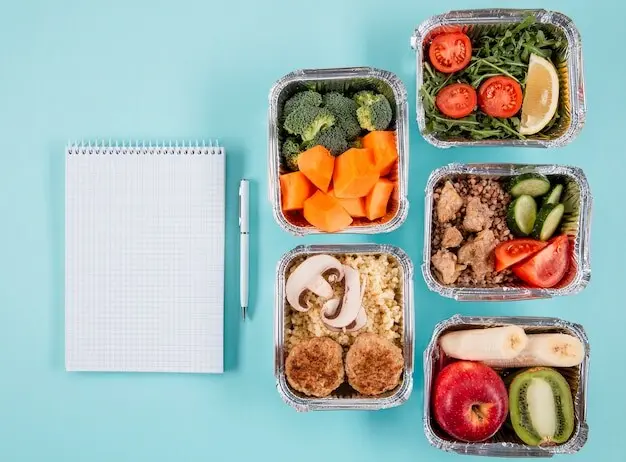
Assign colored lids, stickers, or washi tape to align with your hue plan, then portion with consistent scoops to make assembly automatic. Half-volume produce compartments guarantee fiber and micronutrients, while quarter sections handle protein and grains. Snack boxes get single-hue stars like purple grapes or orange carrot sticks. Keep a tiny container of finishing accents, such as citrus zest, toasted seeds, or chili oil, to elevate flavor without complicating nutrition math or schedules.

Smart Shopping and Storage by Shade

Market Map

Walk the perimeter for produce first, then scan bulk bins for whole grains that complement your palette. Farmers’ markets often showcase unusual hues like purple cauliflower or golden zucchini, perfect for your grid. Compare prices by color category to stay on budget. Ask growers about peak ripeness and storage tricks. Buying smaller amounts across diverse hues limits waste, sustains interest, and gently expands your culinary curiosity without overwhelming your weekly meal prep rhythm or routine.

Keep It Fresh, Keep It Bright

Use high-humidity drawers for leafy greens, and low-humidity for apples and peppers. Line containers with paper towels to manage condensation, and choose clear glass so colors entice you at a glance. Blanch and shock green beans before refrigerating to set chlorophyll. Store herbs like flowers in water, tented with a bag. Keep citrus on the counter for juicing brightness. Stagger avocado ripeness in a bowl, then chill when ready to comfortably hold for days.

Freezer as a Color Bank

Maintain a ready stash of color by freezing roasted peppers, spinach cubes, mango chunks, blueberries, and cooked grains in flat, labeled bags. Vacuum sealing or double-bagging prevents frost that dulls texture and flavor. Organize bins by hue so smoothies, soups, and grain bowls assemble quickly. Frozen vegetables often retain micronutrients exceptionally well, particularly when blanched before freezing. Think of the freezer as insurance for busy weeks, unexpected guests, and unpredictable cravings that deserve balance.

Cooking Methods that Guard Micronutrients

Gentle techniques protect delicate vitamins, while heat unlocks others. Favor steaming, quick sauteing, roasting at moderate heat, or pressure cooking with minimal water. Pair fat-soluble carotenoids with olive oil, and shield vitamin C by avoiding prolonged boiling. A splash of acid preserves vivid color and brightens flavor. Stagger cooking times on sheet pans so softer produce enters later. With these habits, meals stay lively, digestible, and aligned with your color-driven nutrition plan for real-life schedules.

Allergies and Preferences

Swap creatively without losing the hue. Nightshade-free reds can come from strawberries, red cabbage, or adzuki beans. Low-FODMAP whites lean on rice, firm tofu, and parsnips. Gluten-free eaters can rely on quinoa and buckwheat. Picky kids may enjoy rainbow skewers with yogurt dips. Tie replacements to similar textures and cooking times so templates remain smooth. Document favorites to repeat, and let your grid flex while micronutrient goals stay happily intact and motivating.

Metrics That Motivate

Measure what matters, gently. Track colors hit per day, leafy servings per week, or legumes paired with vitamin C sources. Use phone photos to build a visual streak, or a simple calendar with colored dots. Review each Sunday, choose one micro-upgrade, and ignore perfection. Over time, diversity rises, cravings stabilize, and planning shortens. These small metrics spark pride, guiding steady progress toward nutrient completeness without complicated math, guilt spirals, or discouraging rigidity that saps joy.

Spring to Winter Palette

Spring favors asparagus, peas, radishes, and tender herbs; summer bursts with tomatoes, peaches, berries, and cucumbers; autumn celebrates pumpkins, pears, beets, and kale; winter leans on citrus, cabbage, squash, and sweet potatoes. Rotate proteins and grains to fit each season’s produce. This rhythm keeps costs reasonable, flavors exciting, and micronutrient coverage wonderfully natural. Use markets, CSA boxes, newsletters, or store flyers to inspire your next week’s palette and prep timeline.

Scrap-to-Stock Alchemy

Collect onion skins, carrot peels, herb stems, and mushroom trimmings in freezer bags sorted by color families, then simmer into fragrant broths that echo your palette. Add parmesan rinds or ginger ends for character. Strain, cool, and freeze in jars or cubes. These stocks simplify soups and grains, reduce waste, and pull extra minerals from parts you already paid for, turning yesterday’s scraps into tomorrow’s comforting, colorful, consistently nourishing foundation.

Leftovers Reinvented

Design purposeful overflow. Roast extra vegetables to fold into frittatas, blend red trays into quick romesco, or toss orange cubes with quinoa, chickpeas, and citrus for a refreshing bowl. Purple berries rescue plain yogurt, green herbs become chimichurri, and white beans puree into silky dips. Keep a flexible template that invites creativity on Friday nights, preventing boredom and bins of forgotten containers while still honoring your color balance and ambitious micronutrient focus.

Pentolorozeraveltoluma
Privacy Overview

This website uses cookies so that we can provide you with the best user experience possible. Cookie information is stored in your browser and performs functions such as recognising you when you return to our website and helping our team to understand which sections of the website you find most interesting and useful.